






Search is changing rapidly. People are no longer relying only on traditional Google searches to discover businesses, products, and services. AI-powered platforms such as ChatGPT, Google AI Overviews, Microsoft Copilot, and other answer engines are becoming an important part of how users find information.
This shift creates a new opportunity for businesses: building a brand that AI search engines can understand, recognize, and trust.
An effective AI branding strategy combines traditional branding, SEO, content marketing, digital PR, structured data, and strong online reputation signals. The goal is not simply to rank higher but to make your brand a reliable source that AI systems can confidently reference when answering users’ questions.
An AI branding strategy is a digital marketing approach designed to make a brand more recognizable, authoritative, consistent, and trustworthy across search engines and AI-powered answer platforms.
Traditional SEO focuses heavily on ranking webpages for keywords. AI search introduces another important objective: becoming a trusted source that can be understood and cited in AI-generated answers.
A strong AI branding strategy focuses on:
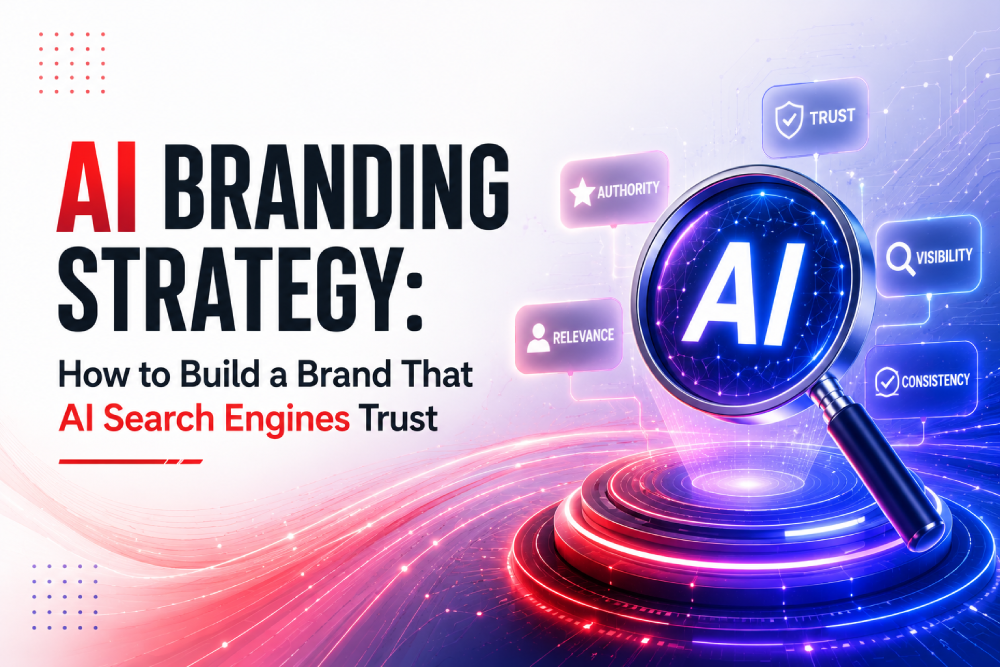
AI systems need reliable information to generate useful answers. When multiple websites discuss the same topic, signals such as content quality, consistency, authority, relevance, and reputation can influence which information is considered useful.
For businesses, this means having a website alone is no longer enough.
Your brand should have a consistent presence across your website, social platforms, business directories, industry publications, review platforms, and other authoritative sources.
The more consistently your brand is represented across the web, the easier it can be for search and AI systems to understand what your company does and why it matters.
AI systems need context.
Make sure your website clearly communicates:
Create dedicated pages for your major services, industries, locations, products, and areas of expertise.
Avoid vague messaging. Clear, specific brand information helps both users and search systems understand your business.
One of the strongest ways to build online authority is to consistently publish useful content around your core expertise.
For example, a web development company should not publish random articles about every trending topic. Instead, it can build content clusters around:
Create a pillar page for each major topic and support it with detailed articles answering related questions.
This approach helps establish your brand as a knowledgeable resource within a specific subject area.
AI search is strongly focused on answering user questions.
Instead of creating content only around keywords, identify the questions your potential customers ask.
For example:
Traditional SEO topic:
“AI Development Services”
AI-search-focused content:
“What does AI development cost for a small business?”
“How can AI automate customer support?”
“What is the difference between an AI chatbot and an AI agent?”
Create direct, well-structured answers and provide supporting details.
Use clear headings, short paragraphs, bullet points, examples, statistics, and FAQs where appropriate.
Google’s quality guidelines emphasize Experience, Expertise, Authoritativeness, and Trustworthiness (E-E-A-T).
These principles are also useful when building a brand designed for AI search.
Show expertise through:
Make it clear who is behind your content and why they are qualified to discuss the subject.
Your website should not be the only place where your brand appears.
Build legitimate brand visibility through:
The objective is to build a strong digital footprint rather than artificially creating backlinks or mentions.
Quality and relevance matter more than simply increasing the number of links.
Inconsistent information can create confusion for customers and search systems.
Keep important information consistent across your website and external profiles, including:
For local businesses, maintaining accurate Google Business Profile and directory information is particularly important.
Structured data helps search engines understand the entities and information on your website.
Depending on your business, relevant schema types may include:
Structured data should accurately represent information that is visible and relevant on your pages. It should not be used to manipulate search results.
AI-generated content is becoming increasingly common. Simply publishing generic articles may not be enough to differentiate your brand.
Create content that contains original value, such as:
Original information gives other websites something valuable to reference and can strengthen your brand’s authority.
Do not optimize only for service keywords.
Build visibility around your brand name and associated entities.
For example, users may search:
Create authoritative pages that clearly answer important questions about your company.
Your About page, service pages, case studies, portfolio, reviews, and company profiles should all reinforce the same brand identity.
AI branding is an ongoing process.
Regularly check how AI-powered search and answer platforms describe your company, services, expertise, and reputation.
Look for:
When you identify gaps, improve the authoritative sources that provide information about your business.
Traditional SEO and AI branding should work together.
| Traditional SEO | AI Branding |
| Focuses on rankings | Focuses on visibility and trust |
| Keyword optimization | Entity and topic understanding |
| Backlinks | Mentions, citations and authority |
| Website traffic | Qualified visibility and discovery |
| Search results | AI answers and search experiences |
| Page optimization | Brand-wide digital presence |
The best strategy combines both approaches rather than replacing SEO with AI optimization.
Before launching your strategy, make sure you:
The future of search is becoming more conversational, contextual, and AI-driven. Businesses that want to remain visible need to think beyond traditional keyword rankings.
A successful AI branding strategy combines SEO, content, authority, structured data, digital PR, reputation management, and consistent brand communication.
The goal is simple: make your brand easy for people and AI systems to understand, verify, and trust.
At WebTechnoMind, we help businesses combine SEO, AI, web development, and digital marketing to build stronger digital brands and create sustainable online visibility.
Start building your AI-ready brand today by creating authoritative content, strengthening your digital footprint, and consistently demonstrating why your business deserves to be trusted.
The way people search for information is changing rapidly. Traditional search engines are no longer the only way...
Search is evolving. People are no longer relying only on traditional search engines to find information, products, and...
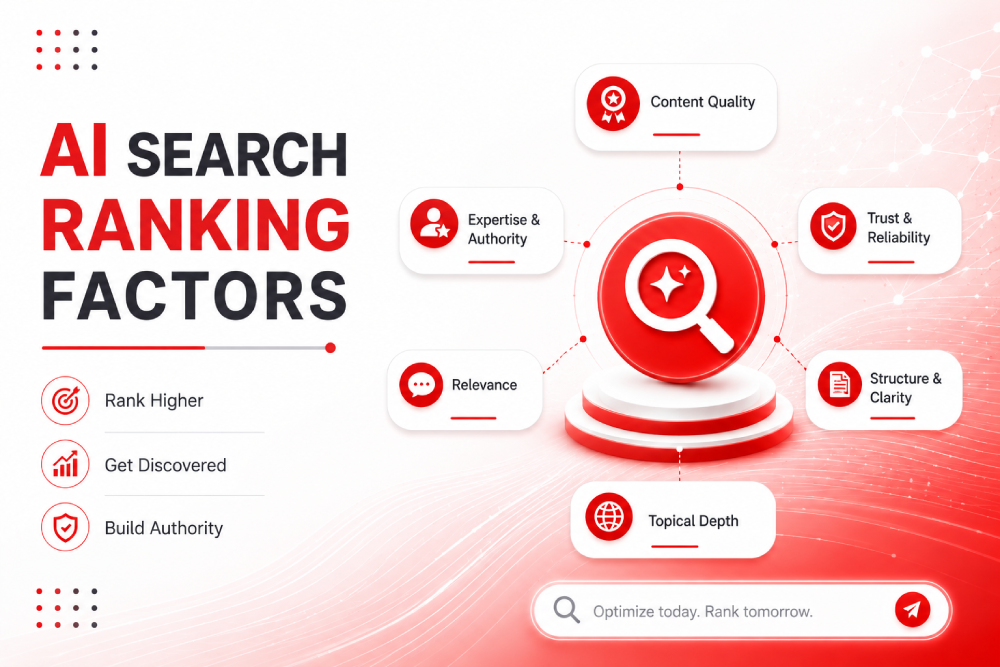
Search is evolving from traditional keyword-based results to AI-powered experiences. Platforms such as Google AI Overviews, Google AI...
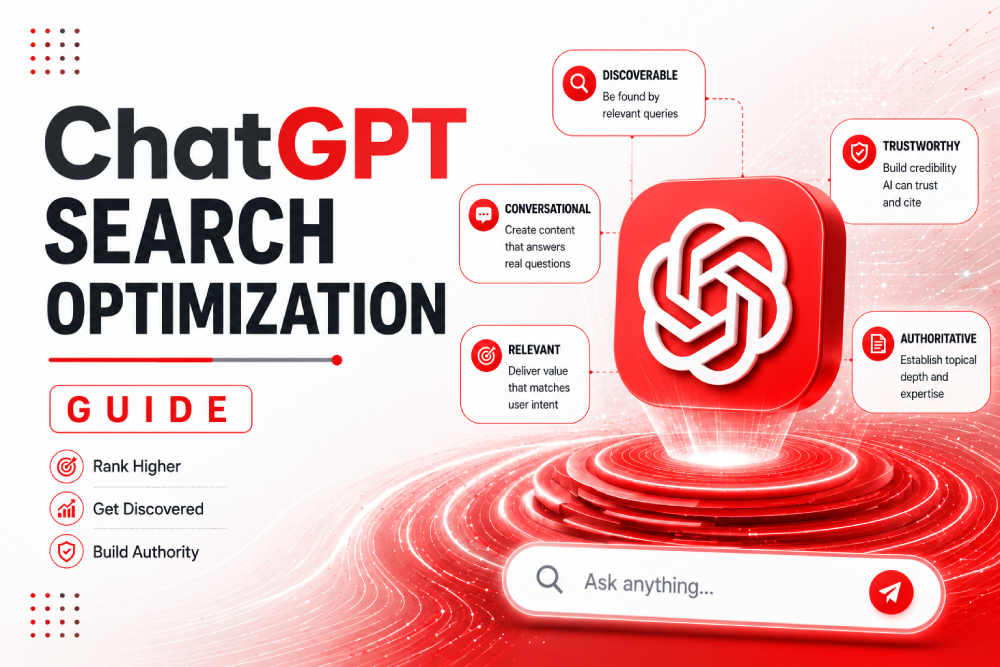
Search is no longer limited to traditional search engines. People are increasingly using AI-powered tools such as ChatGPT...