Google Search Rankings Are Moving Again in August 2026
- By admin
- Aug 13, 2026







If you’ve been watching your Google rankings closely over the past few days, you may have noticed something unusual.
Some keywords are moving up. Others are dropping. In some cases, rankings appear to change and then reverse again shortly afterward.
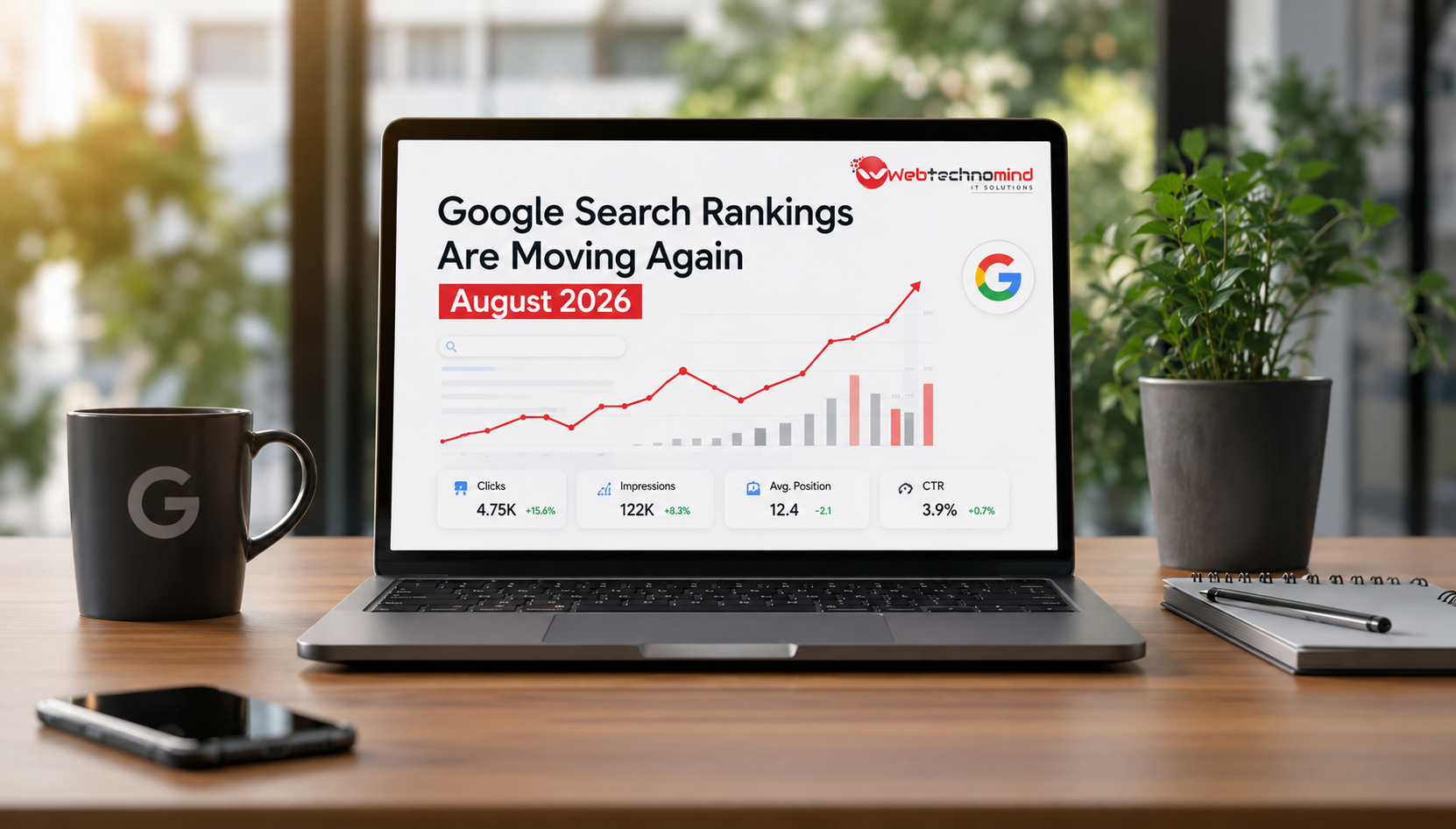
That’s because Google Search is experiencing another noticeable period of ranking volatility in August 2026.
SEO tracking and industry reports have highlighted increased movement in Google search results around August 12–13. The latest spike follows several periods of unusual volatility already seen during July and early August.
But there’s an important catch: Google has not officially confirmed that this latest movement is a new core algorithm update.
And that’s why SEO professionals are being advised to watch the data carefully instead of immediately changing their entire SEO strategy.
This is the question everyone is asking.
The short answer is: we don’t know yet.
Google’s Search Status Dashboard is currently not showing a new confirmed broad update associated with this latest volatility. The most recent confirmed update listed by Google was the June 2026 spam update, which ran globally from June 24 to June 26.
That doesn’t mean Google isn’t making changes.
Google constantly makes adjustments to its search systems. However, not every change becomes an officially announced “core update.”
This distinction matters because SEOs often make the mistake of seeing a ranking drop and immediately assuming they have been hit by an algorithm update.
Sometimes, the answer is much simpler: Google is testing or adjusting its search results, competitors have changed, search intent has shifted, or the SERP itself has changed.
The latest volatility isn’t happening in isolation.
SEO professionals have already reported unusual ranking movements several times during July and August. There were reports of significant volatility around August 1–3, following earlier fluctuations in July.
That repeated movement is what makes the current situation interesting.
For website owners, it can be frustrating.
You might spend months building content, improving pages and earning backlinks, only to see a keyword move from position 4 to position 14 overnight.
Then, a few days later, it could move back up.
That’s why reacting too quickly can actually make things worse.
If your website lost rankings this week, your first instinct might be to start rewriting pages.
Don’t.
At least, not yet.
The smarter approach is to look at your data first.
Open Google Search Console and compare:
Try comparing the last 7 days with the previous 7 days.
Then look at the last 28 days.
The goal is to determine whether you’re seeing a genuine trend or simply a temporary fluctuation.
This is becoming increasingly important in modern SEO.
A website can lose traffic without experiencing a dramatic ranking decline.
Why?
Because the Google search results page itself is changing.
AI-generated answers, featured snippets, videos, shopping results, maps, discussions and other SERP features can take up more screen space.
So, even if your page remains in position #3, users may have fewer reasons to click it.
This is one reason why SEO teams should stop looking at rankings in isolation.
Position is important—but traffic, visibility, engagement and conversions are ultimately what matter to a business.
The latest Google volatility is happening at a time when search itself is changing rapidly.
Google is increasingly integrating AI into its search experience, changing how users discover information and interact with results.
That creates a new challenge for website owners.
Previously, the main objective was straightforward:
Rank higher → get more clicks → generate more traffic.
Now the journey can look very different:
Search → AI-generated answer → brand mention or citation → website visit → conversion
Or sometimes:
Search → AI-generated answer → no website visit at all.
That means businesses need to think beyond traditional keyword rankings.
The days of simply inserting a keyword into a blog post 20 times are long gone.
Modern SEO requires a much broader strategy.
Your website needs to demonstrate:
Show that real people understand the topic and have practical knowledge.
Create content that genuinely answers the questions your audience is asking.
Build credibility through quality backlinks, mentions, references and a strong brand presence.
Make your website transparent, accurate and easy to use.
Most importantly, make sure your content actually satisfies the search intent behind the keyword.
This is particularly important as Google becomes better at understanding what users actually want rather than simply matching words on a page.
If you’re seeing ranking fluctuations, here’s a practical approach.
Don’t rely only on third-party SEO tools.
Look at your actual search performance and identify which pages and queries are changing.
A ranking drop can sometimes be caused by a technical problem rather than Google’s algorithm.
Check:
This step is often overlooked.
Search your important keywords yourself.
Look at what Google is showing now.
Are competitors appearing?
Are forums appearing?
Are videos appearing?
Is an AI-generated result taking up significant space?
Are different types of pages ranking than before?
Understanding the SERP can tell you more than a ranking report alone.
A temporary decline doesn’t automatically mean the content is bad.
Before removing a page, understand why it declined.
Maybe the search intent changed.
Maybe competitors published better content.
Maybe Google is displaying a different type of result.
Maybe the page needs updating.
Find the reason first.
One of the biggest lessons from Google’s recent search changes is that generic content has a harder time standing out.
If your website publishes hundreds of articles that say essentially the same thing as everyone else, you’re unlikely to build a strong competitive advantage.
Instead, focus on creating content with something genuinely useful to offer.
That could be:
In simple terms:
Don’t just create another article. Create the article people actually needed.
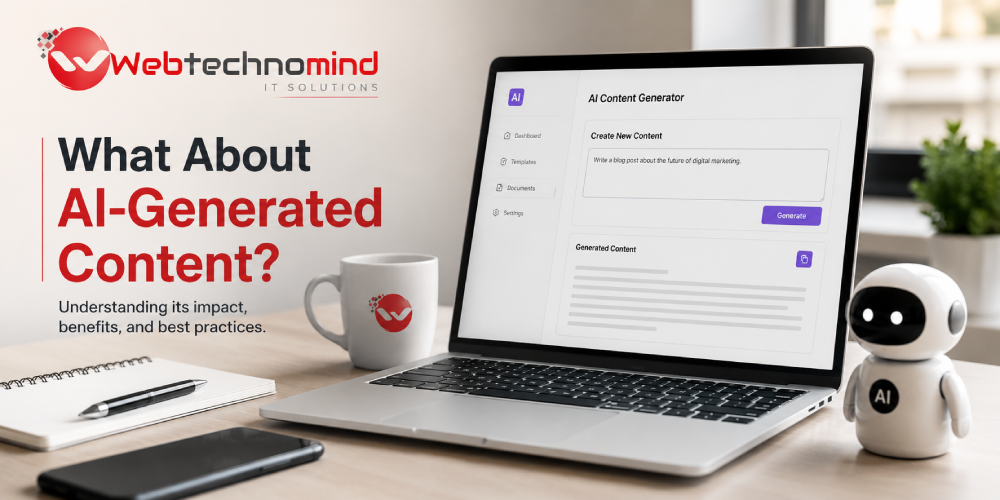
AI isn’t automatically bad for SEO.
The real problem is low-value content.
Using AI to research ideas, organize information, improve writing or speed up production can be useful.
But publishing large volumes of generic, unedited content simply because it is cheap and fast is a different story.
The websites that are most likely to stand out will combine technology with human expertise.
That means using AI for efficiency while keeping human judgment, experience and originality at the center of the content strategy.
The August ranking volatility is important, but the bigger story is the transformation of search.
Google is no longer simply a list of websites.
Search is becoming an answer engine.
Users increasingly expect immediate answers, summaries and recommendations.
This means brands need to optimize for several forms of visibility:
Traditional SEO
Rankings → impressions → clicks
AEO
Answers → featured results → direct visibility
GEO
AI search → mentions → citations → recommendations
Brand SEO
Brand searches → trust → repeat discovery
This doesn’t mean traditional SEO is dead.
Quite the opposite.
Technical SEO, content quality, backlinks and strong organic rankings remain important foundations.
But the definition of “search visibility” is getting much bigger.
The latest Google Search ranking volatility in August 2026 is something SEO professionals should monitor, but there’s no reason for website owners to panic.
At the time of writing, the latest movement has not been confirmed by Google as a new broad core algorithm update.
The best response is simple:
Measure first. Understand the change. Then act.
Check Search Console. Review your technical SEO. Study the search results. Compare competitors. Improve content where necessary. And most importantly, don’t make major decisions based on one or two days of ranking fluctuations.
SEO is changing quickly.
The businesses that succeed won’t necessarily be the ones that publish the most content or chase every Google update.
They’ll be the ones that consistently create useful content, build genuine authority and make their brand easy for both people and search engines to understand.
And as Google continues moving toward AI-powered search, that approach is likely to become even more important throughout 2026 and beyond.
Google is continuing to transform its search engine with new artificial intelligence capabilities, making Search more conversational, personalized...
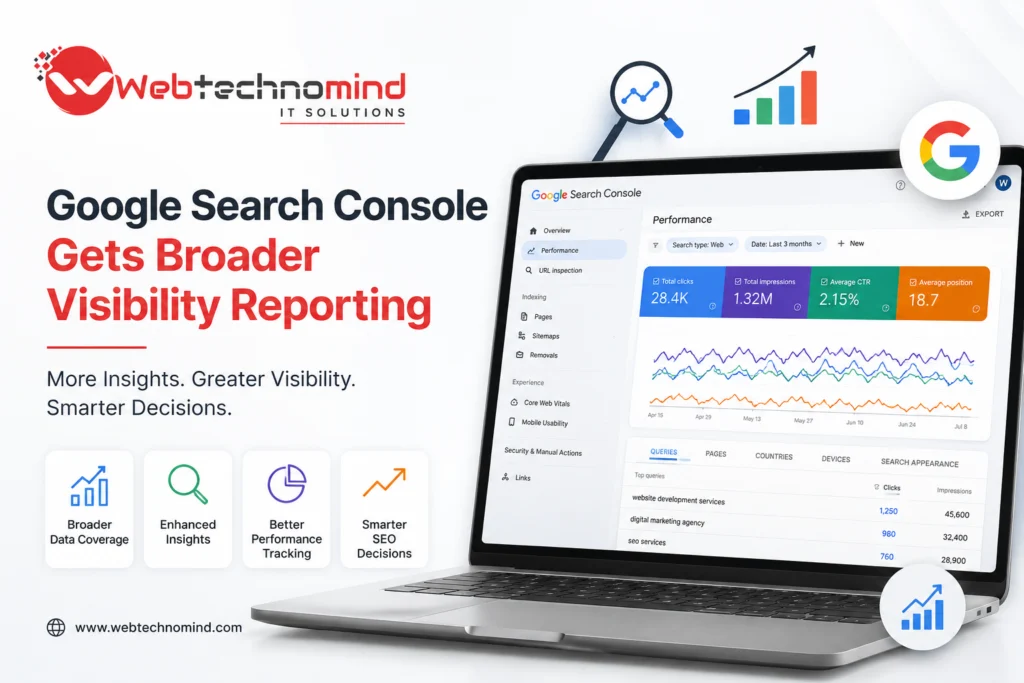
Google is continuing to expand Google Search Console beyond traditional website search reporting, giving publishers, SEO professionals, content...

Google is making a major change to Local Services Ads (LSA) by bringing the platform more closely into...

The SEO landscape is changing again. For years, website owners primarily optimized their websites for Googlebot and other...