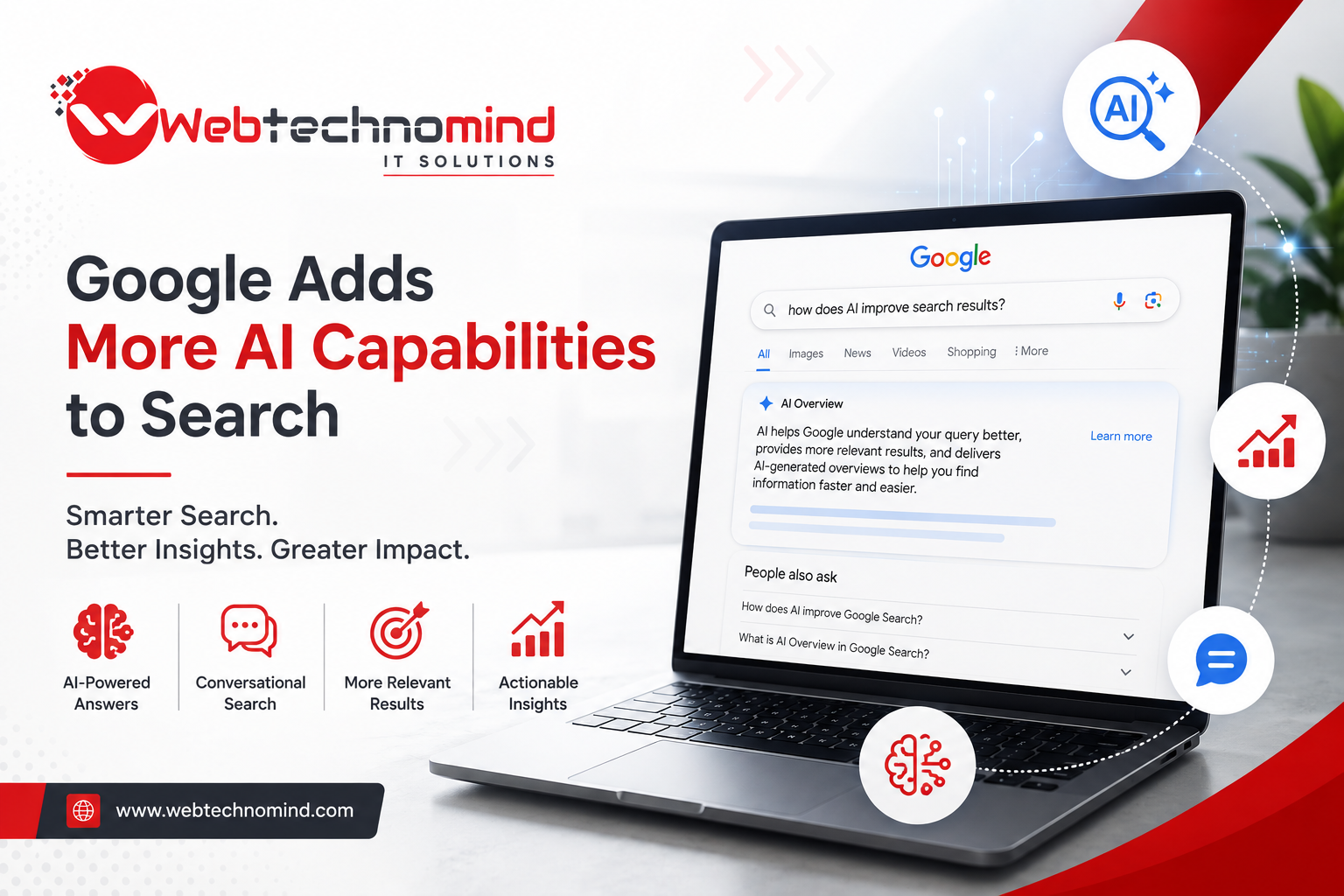







Google is continuing to transform its search engine with new artificial intelligence capabilities, making Search more conversational, personalized and capable of handling complex tasks. The company has been rapidly expanding AI Overviews, AI Mode, AI agents and interactive search experiences as it works to change how people discover and consume information online.
At Google I/O 2026, the company announced that its next generation of Search would combine traditional web search with advanced Gemini AI capabilities. Google described the move as one of its biggest upgrades to Search in more than 25 years.
Google’s AI Overviews and AI Mode are now central components of its search experience. AI Overviews provide users with AI-generated summaries at the top of results, while AI Mode allows users to have more conversational interactions and ask follow-up questions.
Google says AI Overviews now reach more than 2.5 billion monthly active users, while AI Mode has surpassed 1 billion monthly users. The company also reports that AI-powered Search is contributing to increased overall search activity.
The development represents a major shift from the traditional search model, where users primarily entered keywords and received a list of website links. With AI-powered Search, users can ask longer and more complicated questions and receive synthesized answers based on information from multiple sources.
Google is integrating its latest Gemini models into Search to improve the quality and usefulness of AI-generated responses.
Earlier in 2026, Google made Gemini 3 the default model for AI Overviews, enabling users to ask follow-up questions directly within the AI-generated result.
At Google I/O, the company also announced Gemini 3.5 and new agentic capabilities designed to allow Search to go beyond simply answering questions.
Google’s vision is increasingly focused on making Search capable of helping users research, plan, create and take action, rather than simply directing them toward websites.
One of the most significant developments is Google’s introduction of information agents in Search.
These AI agents are designed to work in the background and provide users with information or assistance based on their individual needs. Google says these capabilities are part of its broader move toward an “agentic” era, where AI can perform tasks instead of simply generating responses.
Google has also been working on persistent dashboards and trackers that users can return to over time. These experiences could effectively turn Search into a collection of personalized AI-powered tools.
Google is also introducing more interactive experiences within Search. The company’s new AI-powered Search box can work with different types of inputs, including text, images, files, videos and Chrome tabs.
This means users will increasingly be able to provide context rather than relying only on traditional text-based keywords.
For example, instead of searching for a product using several keywords, a user could potentially provide an image and ask Google to identify the product, compare alternatives or explain how it works.
Google has also introduced new ways for AI Mode and AI Overviews to help users discover websites, original content and different perspectives across the web.
Google’s AI expansion is creating significant changes for SEO professionals, publishers and digital marketers.
Ranking on Google’s traditional results page remains important, but businesses increasingly need to consider how their content can be discovered, understood and referenced by AI-powered search features.
This makes factors such as high-quality content, topical authority, clear information architecture, original research, strong brand credibility and technical SEO increasingly important.
Google has also introduced new tools and controls for website owners, including Search Console insights designed to help businesses understand how their websites perform within AI-powered Search experiences.
For marketers, this means SEO strategies should move beyond simply targeting individual keywords. Content should answer user questions comprehensively, demonstrate expertise and provide information that AI systems can easily understand and connect with relevant search queries.
The growth of AI Search is also creating debate around website traffic and publisher visibility.
AI-generated answers can provide users with information without requiring them to immediately visit an external website. This has raised concerns among publishers about declining referral traffic.
Recent research has found that AI-powered search experiences can reduce clicks to publishers compared with traditional search results, highlighting the potential impact of generative AI on the online publishing ecosystem.
Google, however, says its AI features continue to send billions of clicks to websites every week and argues that AI Search can create new opportunities for publishers and businesses.
Google’s latest developments make it clear that Search is moving toward a more AI-first experience.
Instead of simply providing ten blue links, Google is building a search environment where users can ask complex questions, interact with AI, explore different sources, generate personalized experiences and potentially delegate tasks to AI agents.
For businesses and SEO professionals, this transition makes it more important than ever to create useful, trustworthy, original and technically accessible content.
As Google continues integrating Gemini and agentic AI into Search, the definition of SEO is likely to evolve from simply ranking webpages to ensuring that a brand’s information can be discovered and understood across an increasingly AI-driven search ecosystem.
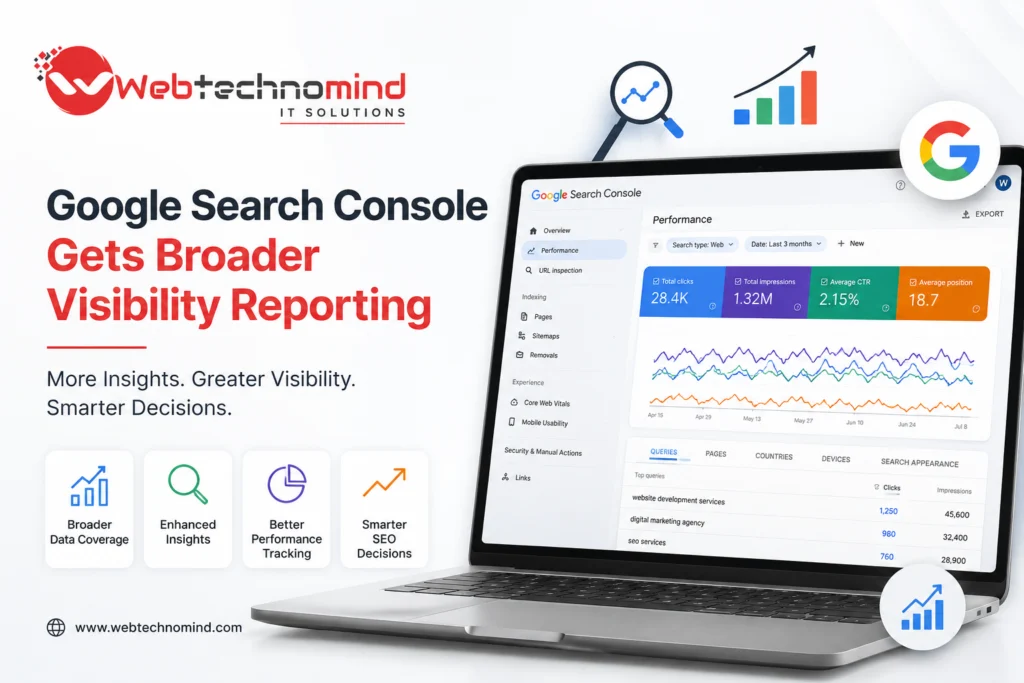
Google is continuing to expand Google Search Console beyond traditional website search reporting, giving publishers, SEO professionals, content...

Google is making a major change to Local Services Ads (LSA) by bringing the platform more closely into...
The SEO landscape is changing again. For years, website owners primarily optimized their websites for Googlebot and other...
For years, marketers measured digital success through Google rankings, organic traffic, impressions, clicks, leads, and conversions. But the...