







The SEO landscape is changing again. For years, website owners primarily optimized their websites for Googlebot and other traditional search engine crawlers. In 2026, that approach is no longer enough.
A growing number of AI crawlers are accessing websites to collect information, power AI search experiences, retrieve answers and, in some cases, support the training of AI models. Crawlers such as GPTBot, ClaudeBot and PerplexityBot are becoming an increasingly important part of the technical SEO conversation.
Recent industry data shows just how significant the shift has become. One April 2026 analysis of 69 websites found that AI-related crawlers generated 3.6 times as many requests as traditional search crawlers in that dataset.
This creates a new challenge for businesses: Should you allow AI crawlers, block them, or manage different crawlers differently?
AI crawlers are automated bots that access web pages and collect information for AI-related systems.
However, not every AI crawler has the same purpose.
Some crawlers collect content for AI model training, while others retrieve information that may be used to generate answers in AI-powered search products. There are also user-triggered systems that access a page when someone asks an AI assistant a specific question.
This distinction is becoming critical for SEO.
For example, blocking a training crawler may prevent your content from being used for future model training without necessarily removing your website from AI search visibility. On the other hand, blocking a crawler involved in retrieval or search can potentially reduce your chances of being cited in AI-generated answers.
Traditional SEO focuses heavily on three questions:
AI search introduces another question:
Can AI systems access, understand and retrieve your content when generating an answer?
That creates a new layer of technical SEO.
AI platforms increasingly rely on web information to answer questions, compare products, identify businesses and provide recommendations. If important website content cannot be accessed or understood by these systems, a business may lose opportunities to appear in AI-generated responses.
At the same time, AI crawlers can consume server resources. High crawling activity can increase bandwidth usage and place additional pressure on websites, particularly sites hosted on limited infrastructure.
One of the biggest areas website owners need to review is the robots.txt file.
Google explains that website owners can use robots.txt and other controls to communicate how crawlers should interact with their websites. Google also provides Google-Extended as a control for certain Gemini-related uses without affecting normal Google Search inclusion.
The important point is that robots.txt should no longer be treated as a simple “allow everything” or “block everything” decision.
Different AI crawlers have different purposes.
For example, a website might want to:
A blanket block could have unintended consequences.
Another technical concern is how AI crawlers process website content.
Many AI crawlers may not process JavaScript in the same way that modern search engines do. Industry testing in 2026 suggests that several major AI crawlers can have difficulty with content that exists primarily inside client-side JavaScript.
This means websites heavily dependent on client-side rendering should pay particular attention to what is actually present in the initial HTML response.
For AI visibility, important information should be easy for machines to access.
That includes:
Server-side rendering or pre-rendering can therefore become an important consideration for websites that want strong visibility across multiple AI platforms.
Traditional technical SEO audits typically examine:
In 2026, SEO teams increasingly need to add another layer: AI crawler accessibility.
A technical SEO audit should now examine server logs to identify which AI bots are visiting the website and which pages they request.
Look for crawler names such as:
The goal is not simply to count bots. It is to understand why they are crawling your website and what value or cost they create.
There is no universal answer.
For many businesses, completely blocking AI crawlers may not be the best strategy because AI search can become an additional discovery channel.
However, allowing every crawler without monitoring them may also be inefficient.
The better approach is to develop an AI crawler policy.
Start by identifying the crawlers reaching your website. Then classify them according to their purpose, traffic volume, resource consumption and potential business value.
Cloudflare has also introduced tools that allow website owners to distinguish between Search, Agent and Training bots, reflecting the growing need for more granular AI traffic controls.
Website owners should take five practical steps.
AI crawlers are not replacing traditional search crawlers. Instead, they are creating another layer of website discovery and content retrieval.
Googlebot, Bingbot and traditional search engines remain extremely important. But businesses now need to think beyond conventional rankings.
The future of SEO will increasingly involve search visibility, AI visibility, crawler accessibility and machine-readable content.
The biggest mistake businesses can make is treating every AI crawler the same. Some may help with discovery, some may support AI search, and others may primarily collect information for training.
As AI search continues to grow, understanding these differences will become an important part of modern technical SEO.
In 2026, optimizing a website is no longer only about helping Google understand your content. It is about making your content accessible, understandable and useful across an expanding ecosystem of search engines, AI systems and intelligent agents.
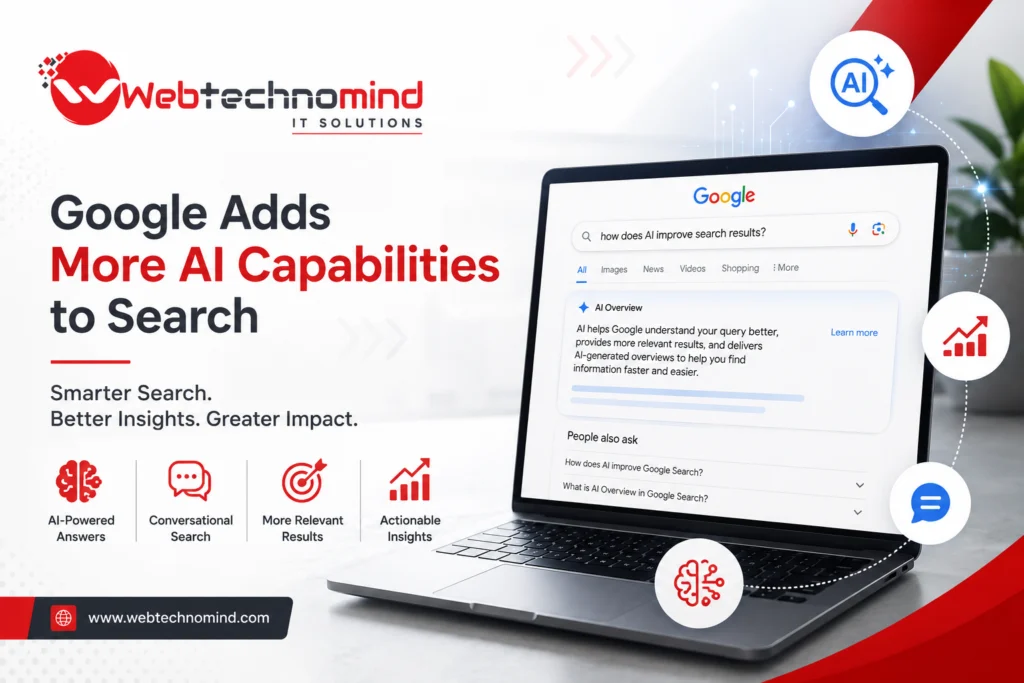
Google is continuing to transform its search engine with new artificial intelligence capabilities, making Search more conversational, personalized...
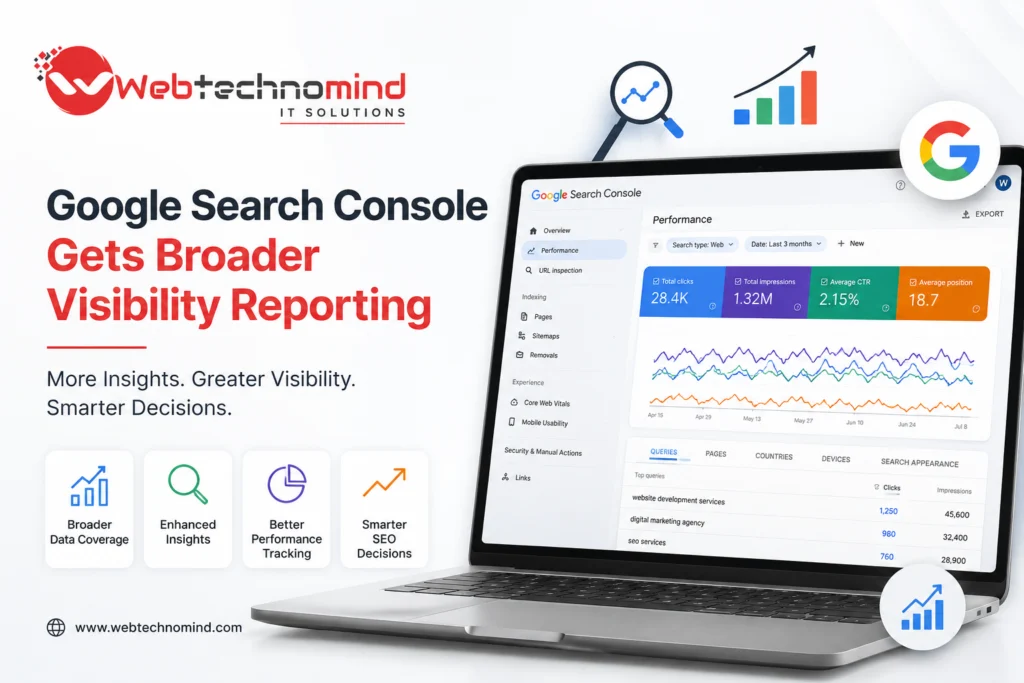
Google is continuing to expand Google Search Console beyond traditional website search reporting, giving publishers, SEO professionals, content...
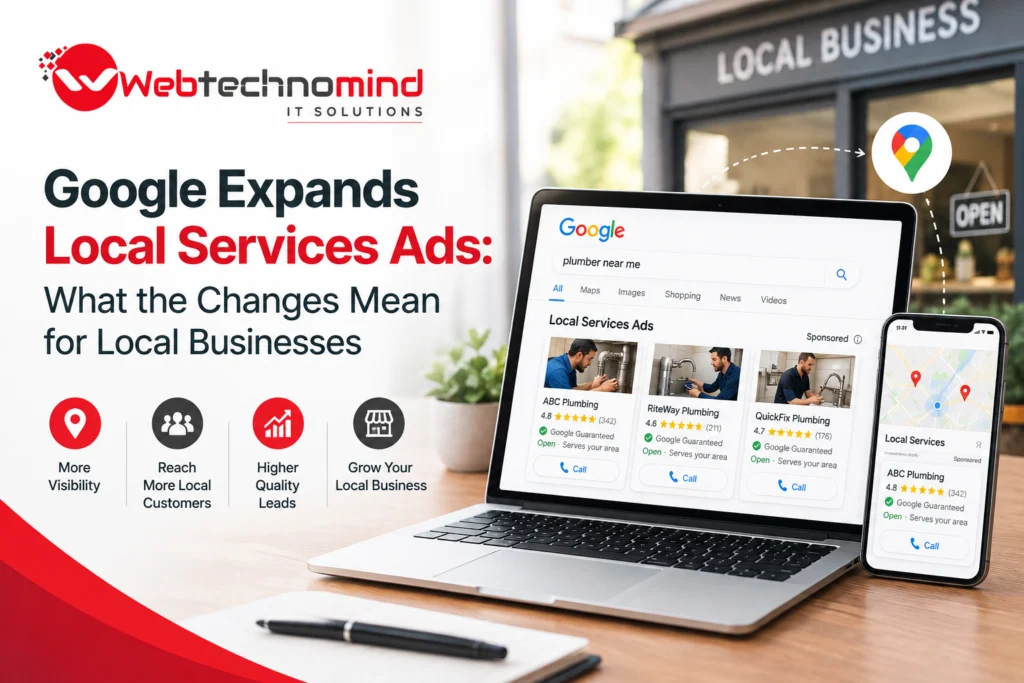
Google is making a major change to Local Services Ads (LSA) by bringing the platform more closely into...
For years, marketers measured digital success through Google rankings, organic traffic, impressions, clicks, leads, and conversions. But the...