
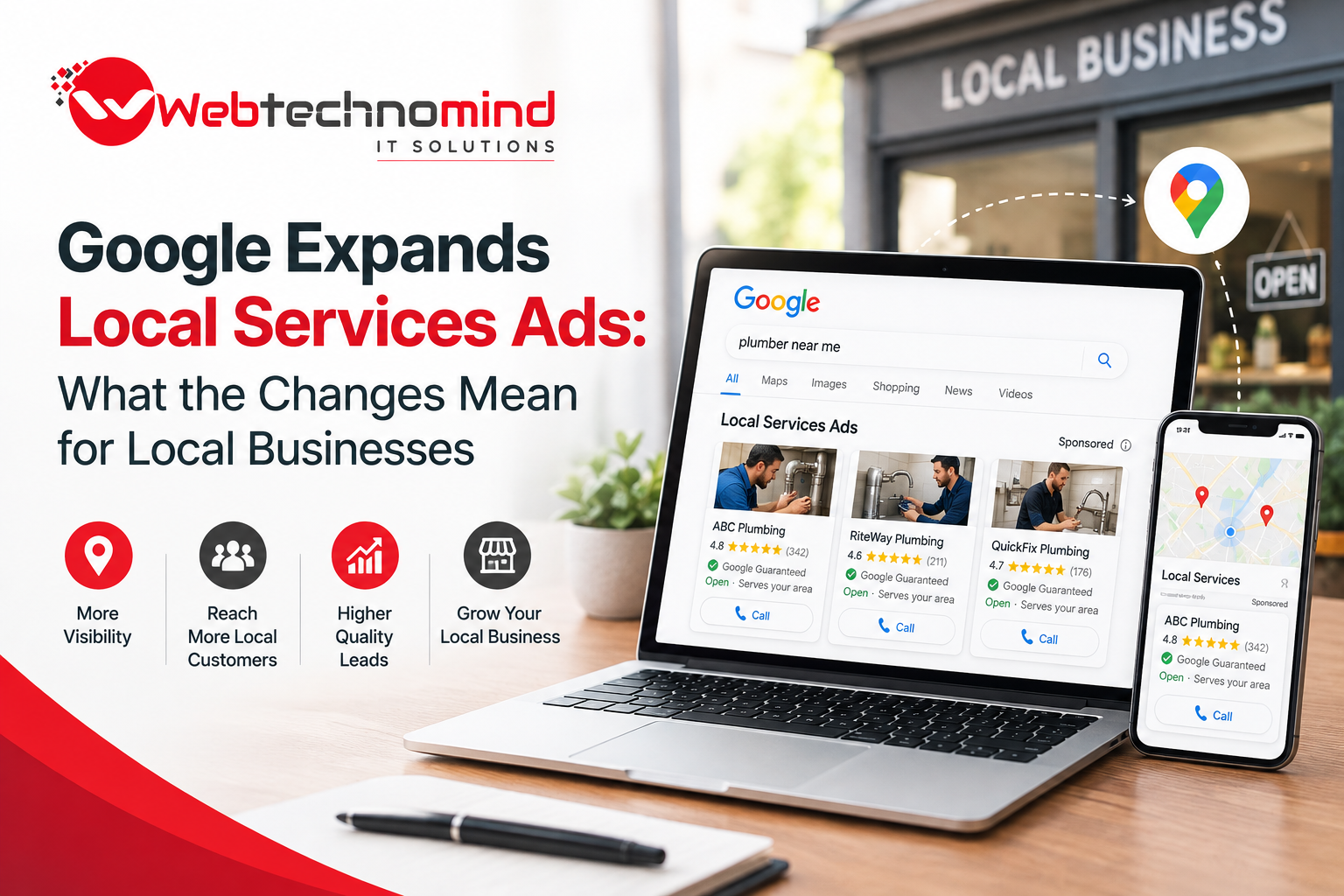







Google is making a major change to Local Services Ads (LSA) by bringing the platform more closely into Google Ads. Starting in August 2026, Google has begun transitioning selected Local Services Ads campaigns into a specialized Performance Max campaign format with pay-per-lead goals.
The move is designed to simplify campaign management while maintaining the core benefits of Local Services Ads, including lead-focused advertising, Google Search and Google Maps visibility, and payment based on valid customer leads rather than clicks.
Local Services Ads are designed to help local businesses connect with customers who are actively searching for services in their area.
Unlike traditional Google Search Ads, Local Services Ads are built around lead generation. Depending on the business and market, customers can contact a company through phone calls, messages or other available lead options.
The ads can appear prominently on Google Search and Google Maps, making them particularly valuable for service businesses such as plumbers, electricians, HVAC companies, cleaning services, roofers, movers and other local providers.
Google has now decided to bring this experience closer to the main Google Ads ecosystem.
The biggest development is Google’s transition of Local Services Ads into Performance Max campaigns with pay-per-lead goals.
Google says existing LSA campaigns will be migrated in phases. Once migrated, businesses will manage their campaigns, budgets, targeting and customer leads through Google Ads rather than relying on the separate Local Services Ads dashboard.
The transition began in August 2026 for selected U.S. home and storefront service businesses. Google plans to expand the migration to additional advertiser groups later in 2026, while non-U.S. accounts and remaining categories are expected to transition during 2027.
This means businesses using Local Services Ads should start preparing for a more integrated Google advertising environment.
Despite the platform changes, several important aspects of Local Services Ads are not changing.
Businesses will continue to pay for valid customer leads rather than simply paying whenever someone clicks an advertisement.
This remains one of the biggest advantages of Local Services Ads because advertisers can focus their budgets on customer actions such as calls and messages.
The ads will continue to appear on Google Search and Google Maps in the relevant local advertising positions.
The new pay-per-lead Performance Max campaigns are specifically designed for local customer connections rather than expanding ads across Google’s entire advertising network.
Another important difference from traditional Search Ads is that these campaigns do not require advertisers to create and manage keyword lists.
Instead, Google uses information from the business’s Google Business Profile, service categories and service areas to determine when the business should appear for relevant local searches.
The biggest change is campaign management.
After migration, businesses will manage their Local Services campaigns directly inside Google Ads. This creates a more unified environment for managing advertising budgets, targeting and customer leads.
However, Google is also removing some older LSA controls. For example, manual bidding and vertical-level Target CPA settings will no longer be supported after migration. Weekly budgets will also be converted into equivalent daily average budgets.
Advertisers should therefore review their existing campaign structures and understand how these settings will translate into the new system.
The transition also increases the importance of having an accurate and well-optimized Google Business Profile.
Business information such as the business name, address, operating hours and reviews can be sourced directly from the profile for the new campaign format.
Google also allows eligible businesses in certain categories to display a Google Verified badge, which can help establish trust with potential customers.
For local businesses, maintaining accurate business information, collecting genuine customer reviews and keeping service areas updated should therefore remain a priority.
Google is also expanding Local Services Ads into additional local advertising experiences.
In June 2026, Google announced an expanded Home Listings experience for real estate across all 50 U.S. states. The format can display property information such as prices, images and key home features, while allowing customers to call, message or book an appointment with participating agents.
This indicates Google’s broader focus on connecting users with local businesses and professionals at the moment they demonstrate purchase or service intent.
The changes are significant for businesses that depend on local customers.
Local SEO and paid advertising are becoming increasingly connected. Businesses should not look at Google Business Profile optimization, Local SEO and Google Ads as completely separate activities.
A strong local marketing strategy should include:
With Google increasingly using automation and AI to determine which businesses appear for relevant searches, the quality and accuracy of business data can become an important competitive advantage.
Businesses currently using Local Services Ads should download their historical campaign reports before migration because Google says previous campaign-level performance data will not automatically transfer to Google Ads. Google recommends exporting important historical data before the account moves.
Advertisers should also review their budgets, service categories, locations, lead sources and Google Business Profile information before migration.
Google’s expansion of Local Services Ads represents a significant change in the local advertising ecosystem.
By moving LSA campaigns toward Performance Max with pay-per-lead goals, Google is creating a more unified advertising platform while retaining the core local lead-generation model.
For businesses, the key takeaway is simple: Local SEO, Google Business Profile optimization and paid advertising are becoming increasingly interconnected.
Companies that keep their business information accurate, maintain strong reviews, define their service areas clearly and track lead quality will be better positioned to take advantage of Google’s evolving local advertising system.
As the migration continues through 2026 and into 2027, local businesses and digital marketing agencies should closely monitor Google’s updates and adapt their advertising strategies accordingly.
Google is continuing to transform its search engine with new artificial intelligence capabilities, making Search more conversational, personalized...
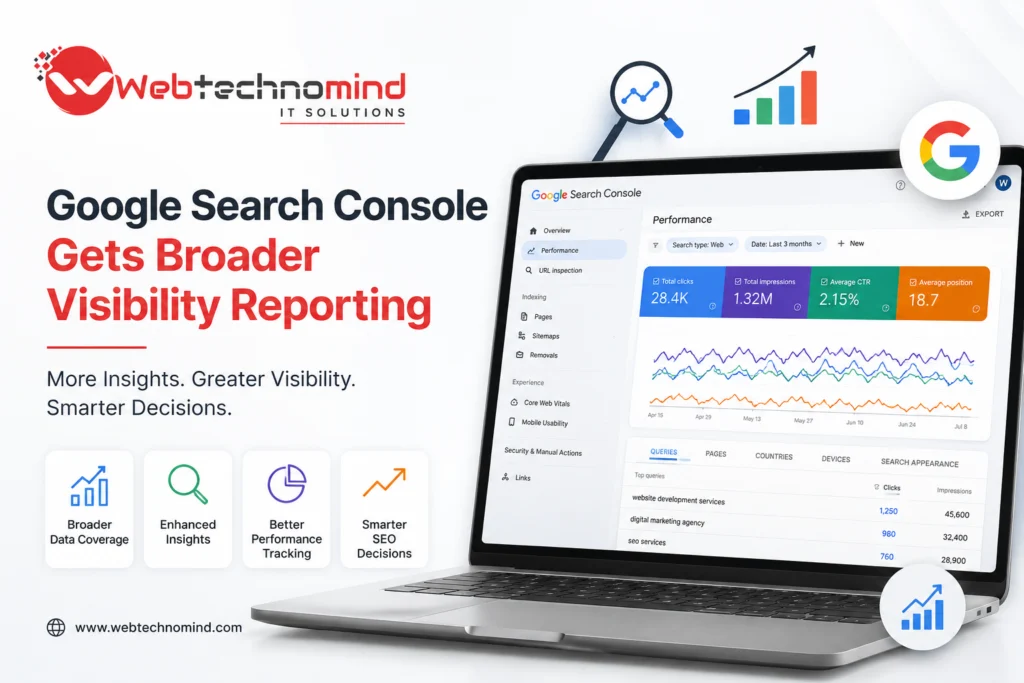
Google is continuing to expand Google Search Console beyond traditional website search reporting, giving publishers, SEO professionals, content...

The SEO landscape is changing again. For years, website owners primarily optimized their websites for Googlebot and other...
For years, marketers measured digital success through Google rankings, organic traffic, impressions, clicks, leads, and conversions. But the...