






For years, marketers measured digital success through Google rankings, organic traffic, impressions, clicks, leads, and conversions. But the search landscape is changing rapidly.
Consumers are increasingly using AI-powered platforms such as ChatGPT, Google AI Overviews, Google AI Mode, Gemini, and Perplexity to research products, compare services, discover brands, and make purchasing decisions.
This has created a new marketing question:
“Is our brand visible in AI-generated answers?”
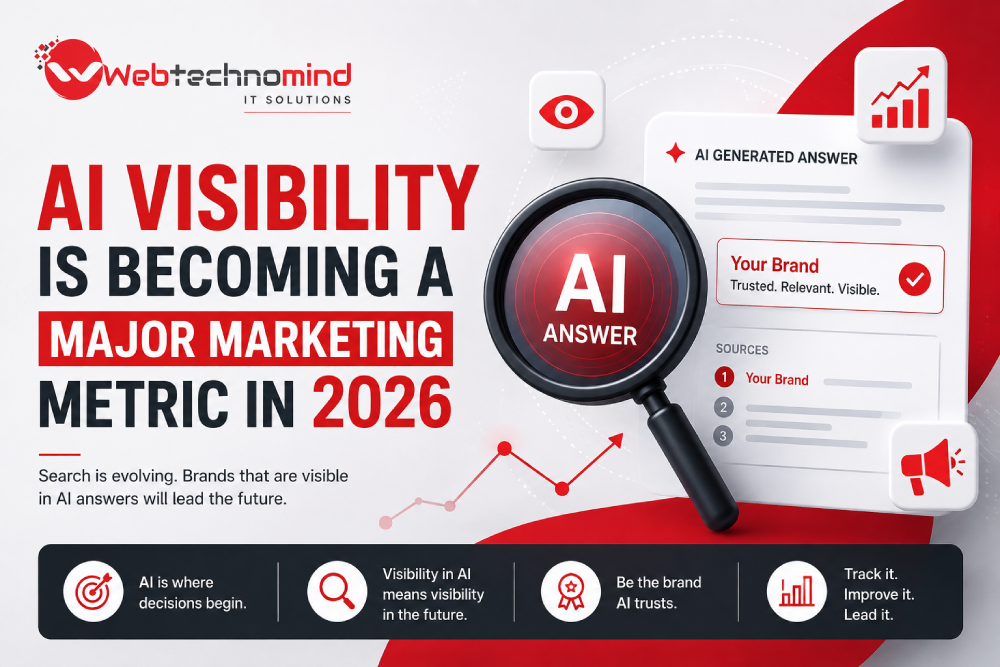
As AI search continues to grow, AI visibility is becoming an important marketing metric that businesses can no longer ignore.
AI visibility refers to how often and how prominently a brand appears when users ask AI platforms questions related to its products, services, industry, or competitors.
It is different from traditional search visibility.
For example, a company might rank on the first page of Google for “best digital marketing agency,” but that same company may not appear when a potential customer asks an AI platform, “What are the best digital marketing agencies for startups?”
Traditional SEO focuses heavily on rankings and website traffic. AI visibility focuses on whether a brand is mentioned, cited, recommended, and accurately represented within AI-generated answers.
The way people search for information is changing.
Traditional search gives users a list of websites. AI search can provide a summarized answer directly, often combining information from multiple sources.
This creates both an opportunity and a challenge for businesses.
A company may have excellent Google rankings but limited exposure within AI-generated results. If customers increasingly use AI tools during their research process, being absent from those answers can mean missing potential customers before they even reach a traditional search result.
In 2026, the scale of AI search is becoming increasingly significant. Research from Semrush’s 2026 AI Visibility Index analyzed 126 million U.S. AI search prompts, highlighting the growing importance of understanding how brands appear in AI-powered search environments.
AI visibility doesn’t replace SEO. Instead, it expands the definition of search visibility.
Traditional SEO metrics include:
AI visibility introduces additional metrics such as:
This means marketers need to understand not only whether people are clicking their website, but also whether AI systems are presenting their brand as a relevant solution.
This measures how frequently a brand appears in responses to relevant prompts.
For example, a company could test 100 industry-related questions across AI platforms and record how many responses mention its brand.
Over time, marketers can compare this percentage with competitors and determine whether their AI presence is improving.
Being mentioned is valuable, but being cited as a source can be even more powerful.
Citation rate measures how frequently AI platforms reference a company’s website or other content when generating answers.
A strong citation profile can indicate that a brand’s content is being recognized as a useful information source.
AI share of voice compares your brand’s visibility against competitors.
If competitors consistently appear in AI answers while your brand rarely appears, it indicates an opportunity to improve your digital authority, content footprint, and brand recognition.
Some AI platforms don’t simply mention businesses. They recommend specific companies, products, or services.
Tracking how often your brand is recommended can provide a stronger indicator of commercial visibility.
For businesses focused on lead generation and sales, this metric could become particularly important.
AI visibility isn’t only about being present.
Businesses should also monitor what AI systems say about them.
Incorrect services, outdated information, inaccurate company descriptions, or misleading claims can negatively affect potential customers.
A strong AI visibility strategy therefore needs both quantity and quality.
The growth of AI search is also changing content marketing.
Publishing large volumes of content around individual keywords is no longer enough. Businesses need content that demonstrates expertise, relevance, credibility, and real-world experience.
Effective AI-focused content should provide:
Content should also be structured clearly so important information can be easily understood by both users and search systems.
This makes comprehensive guides, comparison articles, original research, expert commentary, FAQs, and problem-solving content increasingly valuable.
Another major shift is that AI visibility isn’t determined only by what a company publishes on its own website.
AI systems can use information from a wide range of sources, including:
This means businesses need to build a broader digital presence.
A company that is consistently mentioned by trusted third-party sources may have stronger AI visibility than a company that publishes hundreds of pages but has little external recognition.
Digital PR, reviews, thought leadership, expert contributions, and brand mentions can therefore become increasingly important parts of an AI-focused marketing strategy.
Companies should start by identifying the questions their customers are likely to ask AI.
Instead of focusing exclusively on keywords, create prompts around customer problems and buying decisions, such as:
Test these questions across multiple AI platforms and track whether your brand is:
Mentioned → Cited → Recommended → Positioned prominently
Then compare your results with competitors.
If competitors consistently appear while your company doesn’t, examine the content, sources, reviews, mentions, and authority signals surrounding those competitors.
AI visibility is gradually moving beyond the SEO department.
Marketing leaders now need to understand how their brands appear throughout AI-powered customer journeys.
A potential customer may ask an AI platform for recommendations before visiting Google, clicking an advertisement, or visiting a company’s website.
If your competitor is recommended first, traditional SEO reports may never show that lost opportunity.
This is why AI visibility is becoming an important strategic metric for modern marketing teams.
Businesses can begin incorporating AI visibility into monthly marketing reports alongside traditional SEO metrics. Tracking changes over time can help teams understand whether their content and brand-building efforts are increasing their presence in AI-generated answers.
AI visibility does not mean traditional SEO is dead.
Technical SEO, quality content, backlinks, rankings, organic traffic, and conversions remain essential.
However, the measurement model is becoming broader:
Traditional SEO + AI Visibility + Brand Authority + Business Results
In 2026, businesses should not ask only:
“Where do we rank on Google?”
They should also ask:
“When customers ask AI about our industry, are we part of the answer?”
That question could become one of the most important marketing questions of the AI-search era.
The future of digital visibility isn’t simply about being found.
It’s about being mentioned, trusted, cited, and recommended by AI.
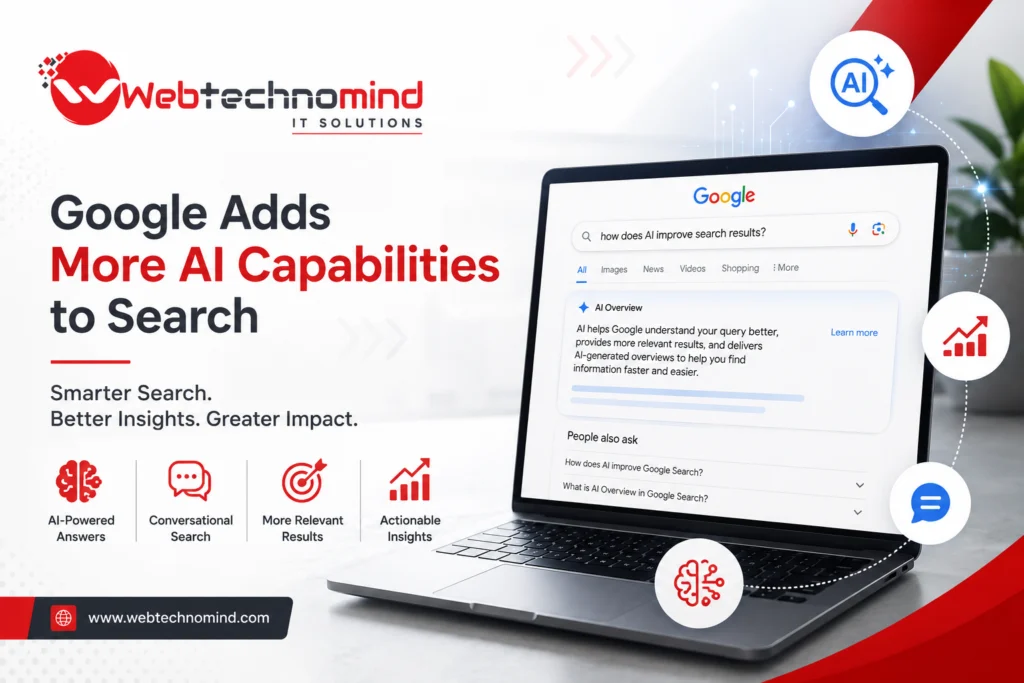
Google is continuing to transform its search engine with new artificial intelligence capabilities, making Search more conversational, personalized...
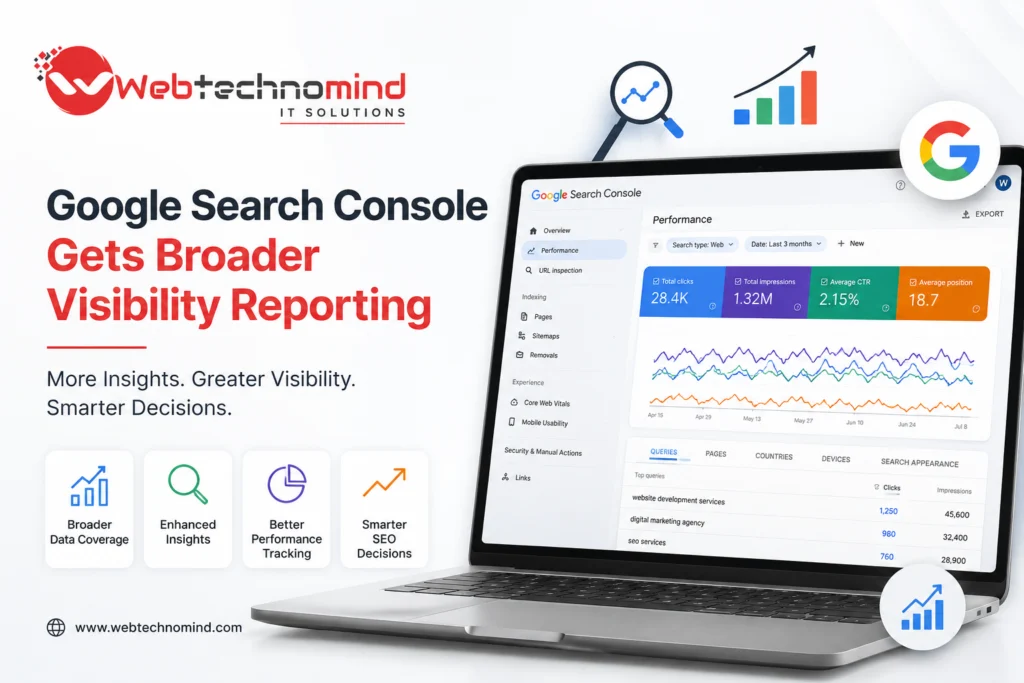
Google is continuing to expand Google Search Console beyond traditional website search reporting, giving publishers, SEO professionals, content...
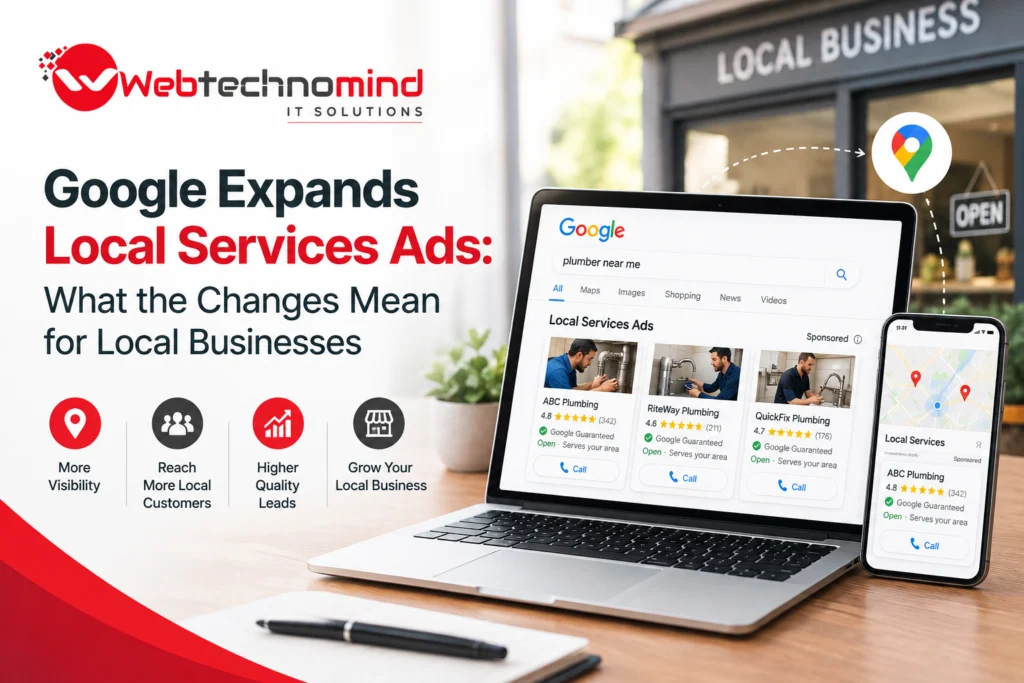
Google is making a major change to Local Services Ads (LSA) by bringing the platform more closely into...
The SEO landscape is changing again. For years, website owners primarily optimized their websites for Googlebot and other...