
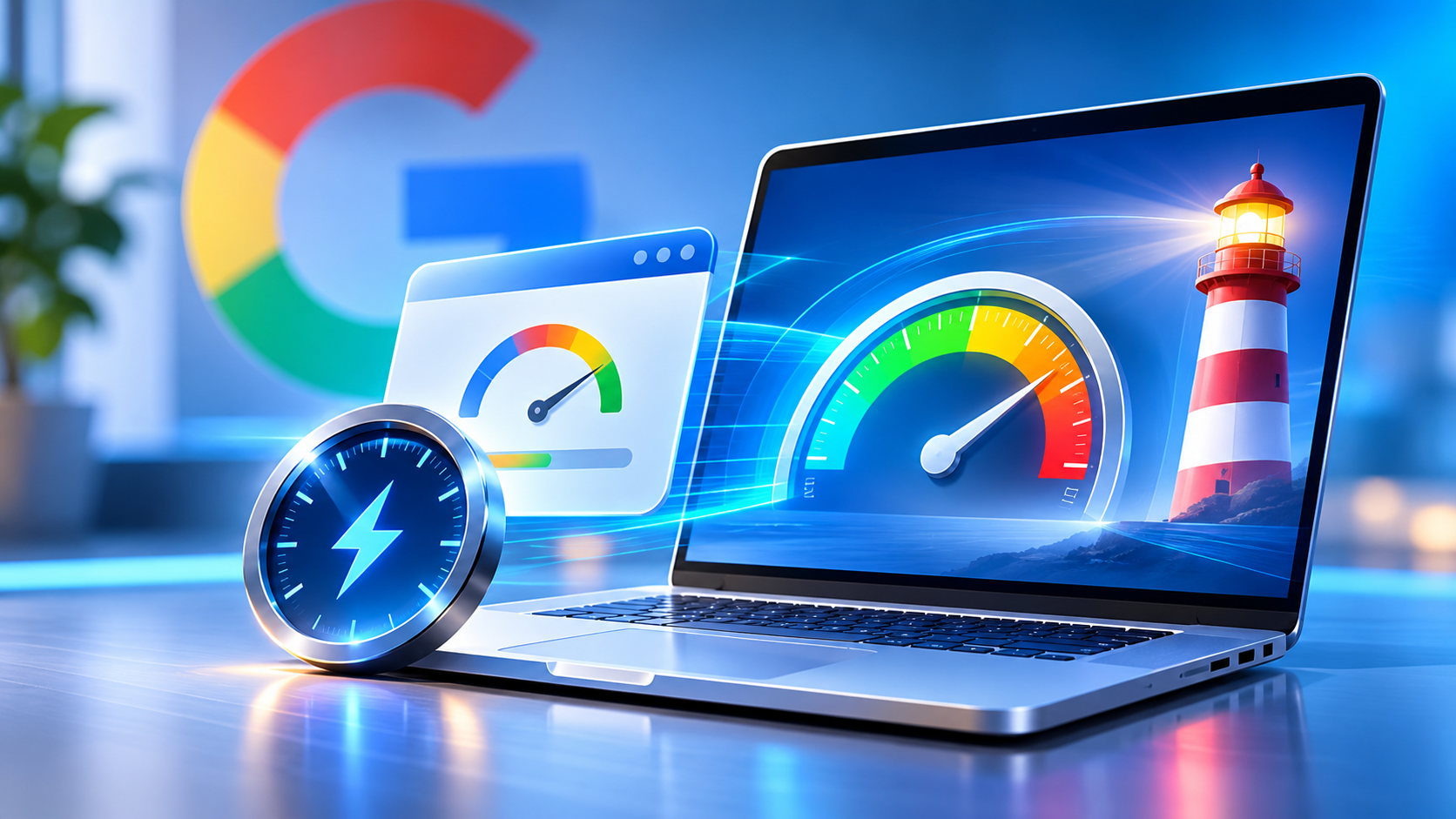







Google has introduced Lighthouse 13.6.0, an update that changes how PageSpeed Insights simulates website loading. The update, released on October 27, 2026, improves the accuracy of performance measurements and could result in higher laboratory scores for certain websites without requiring any changes to their code.
The update is particularly relevant for JavaScript-heavy websites and developers monitoring Core Web Vitals.
The latest Lighthouse update introduces improvements to its Lantern simulation engine, which estimates how websites perform under slower network conditions.
One significant change affects First Contentful Paint (FCP), a metric measuring when the first visible content appears on a webpage. Lighthouse now uses Chrome’s actual render-blocking information instead of relying primarily on request priorities.
Another improvement affects Largest Contentful Paint (LCP), which measures when the largest visible content element loads. When text appears in the same frame as the first content, the updated simulation calculates LCP using the same resources and tasks considered for FCP.
These changes are designed to produce more realistic loading estimates.
According to Chrome performance advocate Barry Pollard, the updated simulation generally produces better FCP and LCP estimates.
Websites that previously received lower scores because of inaccurate loading simulations may experience improvements after the update.
However, a higher PageSpeed Insights score does not necessarily mean the website has become faster for actual visitors.
The Lighthouse update highlights the importance of distinguishing between laboratory performance data and real-user experience.
SEO professionals should:
Google’s Lighthouse 13.6 update makes website performance simulations more accurate, potentially changing PageSpeed Insights scores across affected websites.
For businesses and SEO professionals, the key takeaway is simple: A higher performance score should always be evaluated alongside real-user experience and Core Web Vitals data.


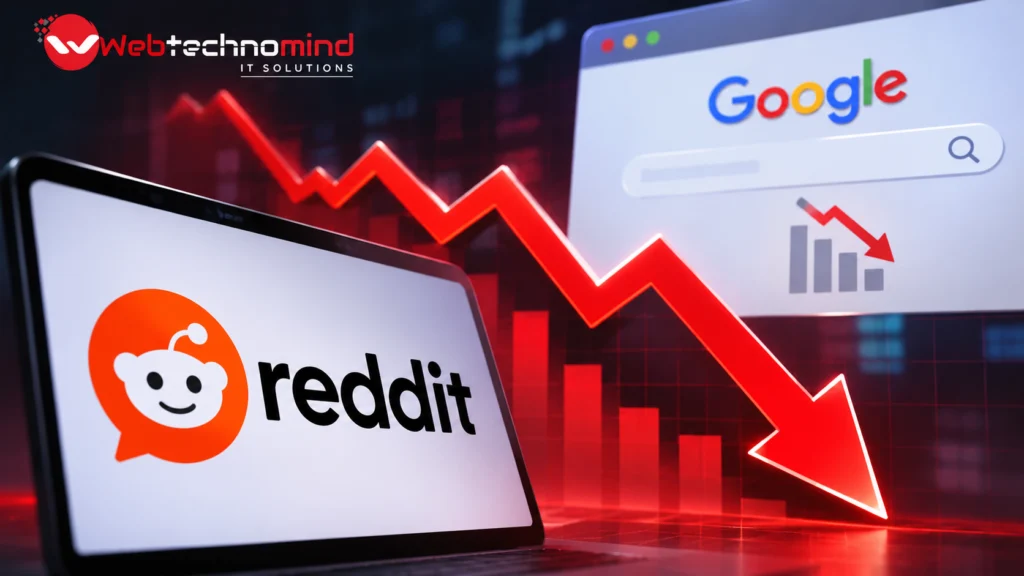
Reddit shares experienced a significant decline after CEO Steve Huffman confirmed that falling Google search traffic is affecting...
Google is continuing to transform its search engine with new artificial intelligence capabilities, making Search more conversational, personalized...
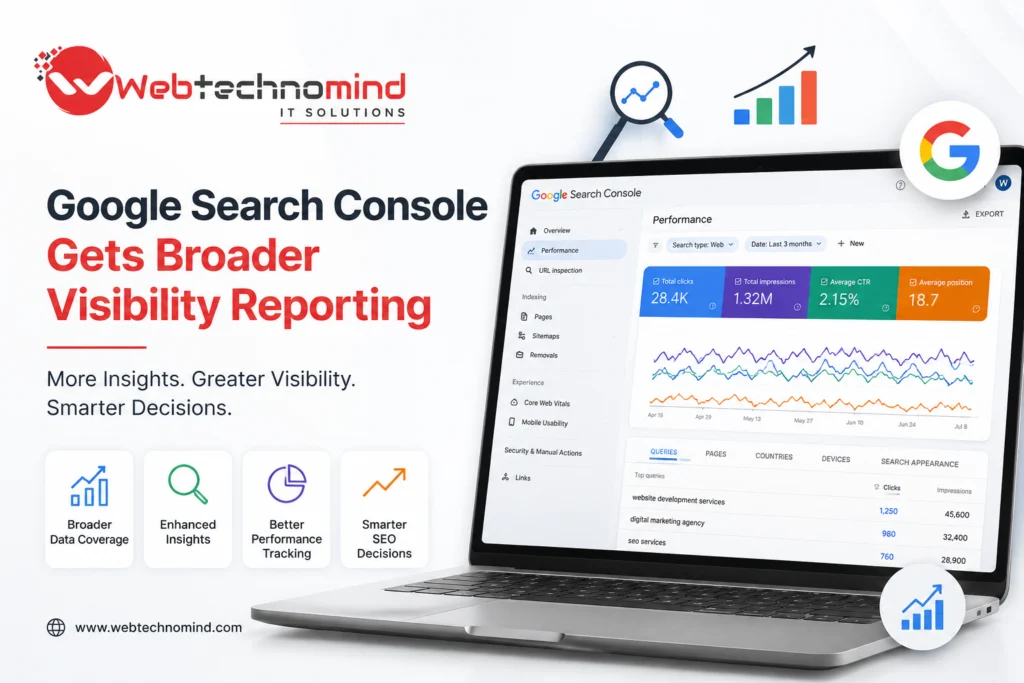
Google is continuing to expand Google Search Console beyond traditional website search reporting, giving publishers, SEO professionals, content...

Google is making a major change to Local Services Ads (LSA) by bringing the platform more closely into...