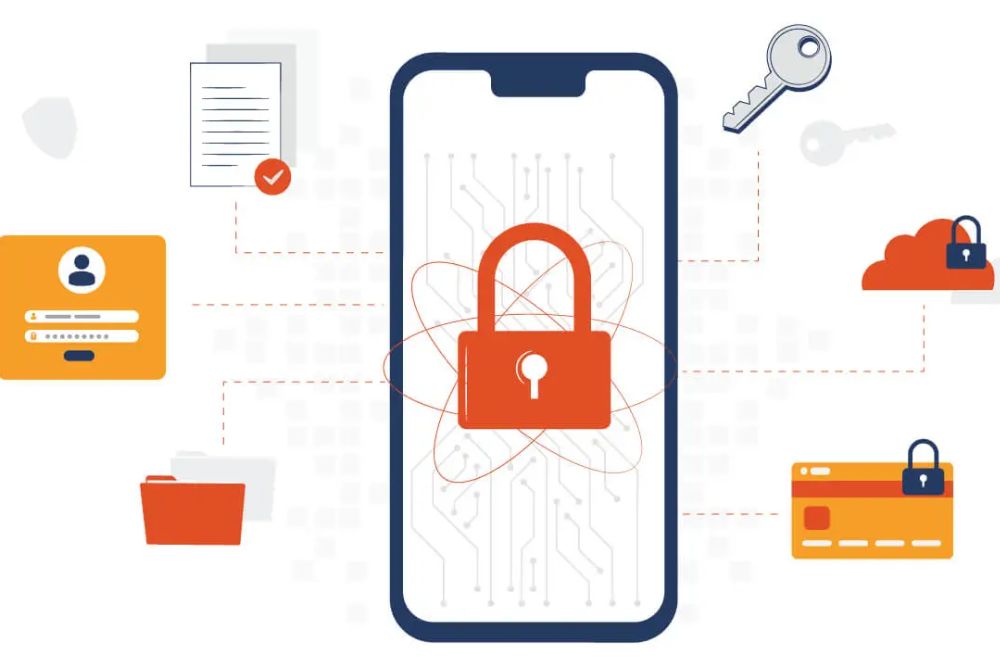
Mobile app security is a mess for most devs. Everyone’s in a rush to launch features, hit deadlines, and impress stakeholders. Security? That’s “Phase 2,” if it even happens.
But here’s the truth — your app is a target the moment it hits the app store. Hackers aren’t waiting for you to patch things up in version 2.0. They’re already poking around version 1.0.
If you’re building or maintaining a mobile app, here’s what you need to watch out for — and how to secure your mobile app against common vulnerabilities — without the corporate fluff.
1. Stop Storing Sensitive Data on the Device (Seriously)
Talking about securing your mobile app against common vulnerabilities, if you’re storing passwords, access tokens, or personal data directly on the device — especially in plain text — you’re basically handing it over to anyone with basic reverse engineering skills.
What to do:
- Use secure storage options: Android Keystore, iOS Keychain.
- Don’t store stuff you don’t need. Really question it.
- Clear sensitive info from memory once you’re done with it.
2. Your API Isn’t Safe Just Because You Use HTTPS
HTTPS is good, but it’s not a silver bullet. If your backend doesn’t validate input properly or lets users do things they shouldn’t, attackers will find out — fast.
What to fix:
- Validate everything server-side.
- Lock down API endpoints with authentication and rate limiting when it comes to securing your mobile app against common vulnerabilities.
- Use certificate pinning if you're worried about MITM attacks (and you should be).
3. Never Hardcode Secrets, Tokens, or API Keys
You’d be shocked at how many apps have keys just sitting in the code. Anyone with a decompiler can find them in under five minutes. Don’t be that app.
Instead:
- Store secrets on a secure backend.
- Obfuscate your code (ProGuard, R8, etc.).
- Use environment-based configs that aren’t baked into the final app.
4. Weak Authentication Will Burn You
Login screens aren’t enough. If you’re using outdated auth flows, keeping users logged in forever, or not rotating tokens, you’re opening the door wide.
Do this:
- Use OAuth 2.0, OpenID Connect, or similar standards.
- Implement token expiration and refresh logic when it comes to securing your mobile app against common vulnerabilities.
- Support multi-factor authentication (it’s 2025, come on).
5. Watch What You’re Sending Over the Wire
Logging data? Sending sensitive info in requests? Not validating SSL properly? These are the kinds of mistakes that’ll come back to haunt you.
Fix it:
- Use secure network libraries when it comes to securing your mobile app against common vulnerabilities.
- Don’t bypass SSL checks just because “it works” during dev.
- Don’t log sensitive data, especially in production.
Want apps built with security and performance in mind? Check out our portfolio to know more.
6. Platform Security Is There for a Reason — Use It
Apple and Google give you tools. Most devs ignore them. That’s a waste, and it leaves you exposed.
For Android:
- Use scoped storage and request only the permissions you need.
- Prevent screenshots of sensitive screens (e.g., PIN input).
For iOS:
- Enforce App Transport Security.
- Enable device encryption and jailbreak detection.
7. Update Your Dependencies. No Excuses.
Talking about securing your mobile app against common vulnerabilities, old libraries = old bugs = known vulnerabilities. And yes, attackers do check your app’s libraries. Especially common SDKs and analytics tools.
Stay current:
- Use tools like Snyk, Dependabot, or GitHub’s security alerts.
- Audit your dependencies once a quarter, minimum.
- Ditch any libraries you’re not actually using.
8. Test Like an Attacker Would
Talking about securing your mobile app against common vulnerabilities, you can’t secure what you don’t understand. Penetration testing isn’t just for enterprises. You should be breaking your app to see how easy it is to hack.
Final Word: Ship Fast, But Don’t Ship Insecure
When it comes to securing your mobile app against common vulnerabilities, you don’t need to build Fort Knox, but you do need to get the basics right. Most security breaches don’t rely on zero-day exploits—they target avoidable mistakes like weak data storage, poor token management, and hardcoded secrets.
Start there.
At WebTechnomind, we believe security should be a part of your development process by default, not a last-minute fix. From the first line of code to deployment, make secure coding a habit, not an afterthought.
Build fast, but build smart. WebTechnomind, the best
Flutter App Development company in Kolkata, is here to help you do both.
 +971 50 154 7928
 +44 7448 346453
 +91 877 763 9601 (Sales)